Home


My story in a nutshell…


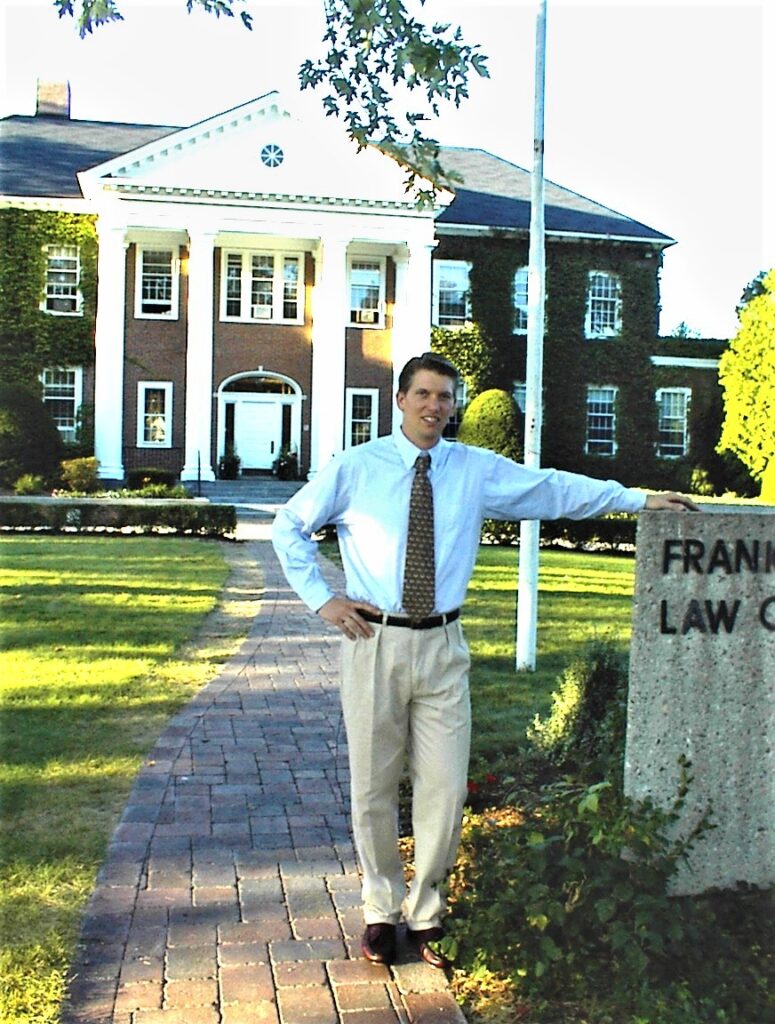
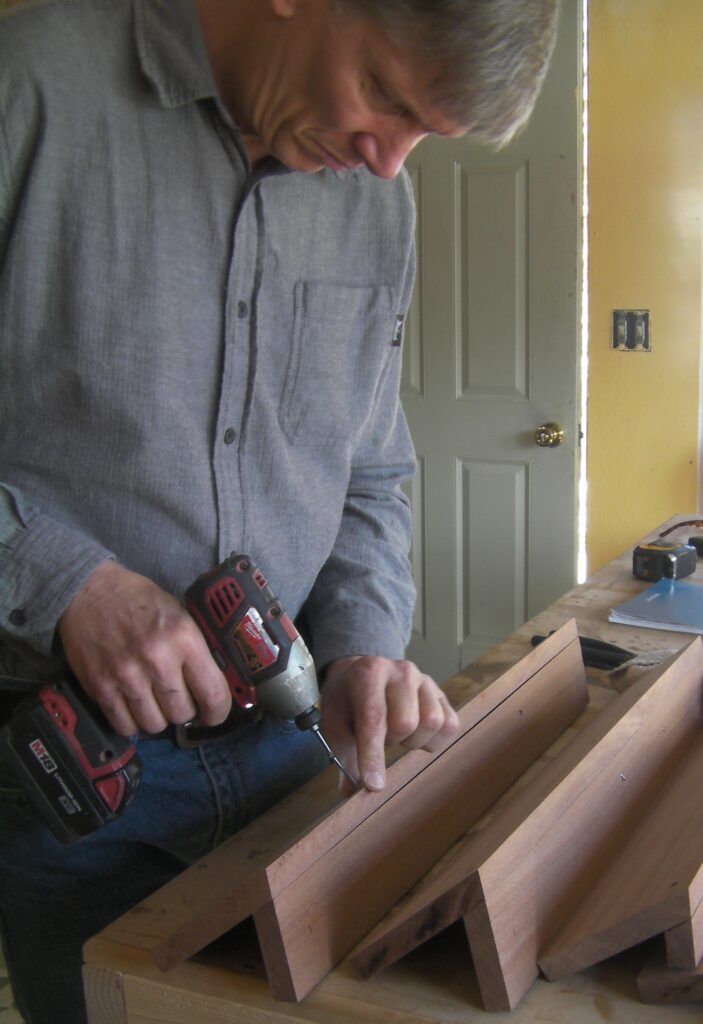
I’m John Rocheleau, an independent inventor since 1996.

In only 2-1/2 years, with no prior experience, I became a successful inventor.

It all began with an idea, and with my first prototype I was hooked.


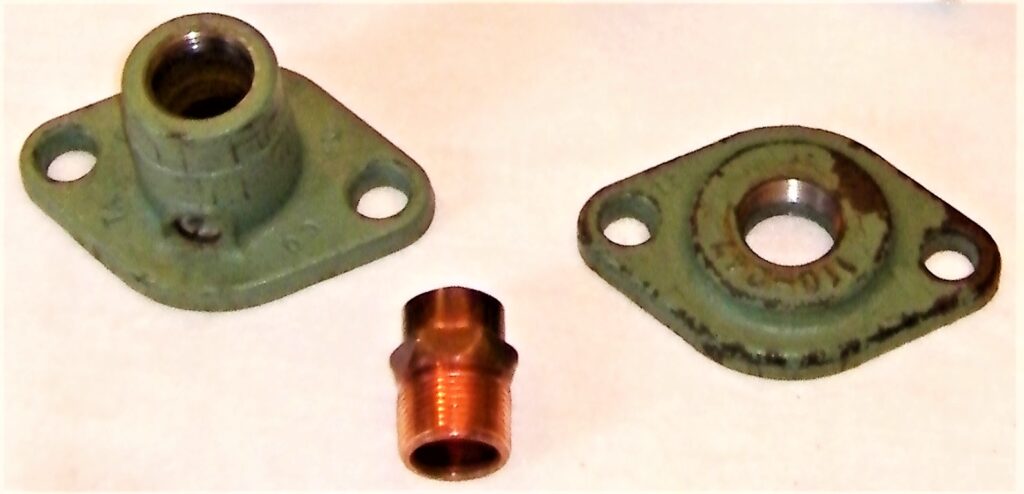
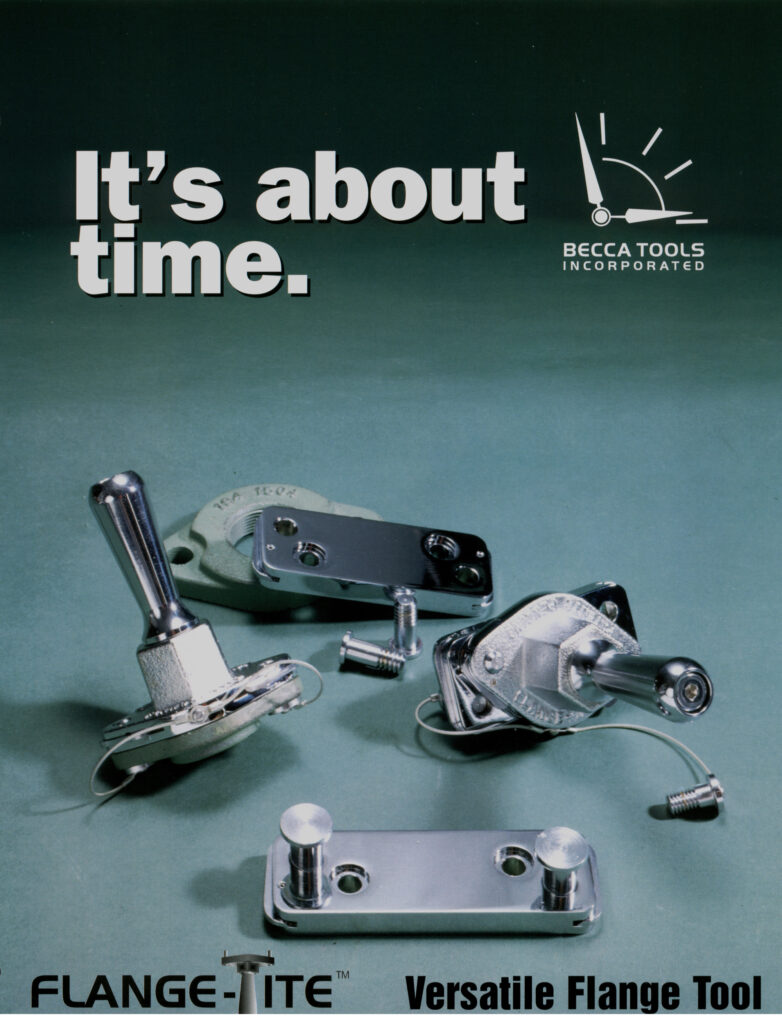
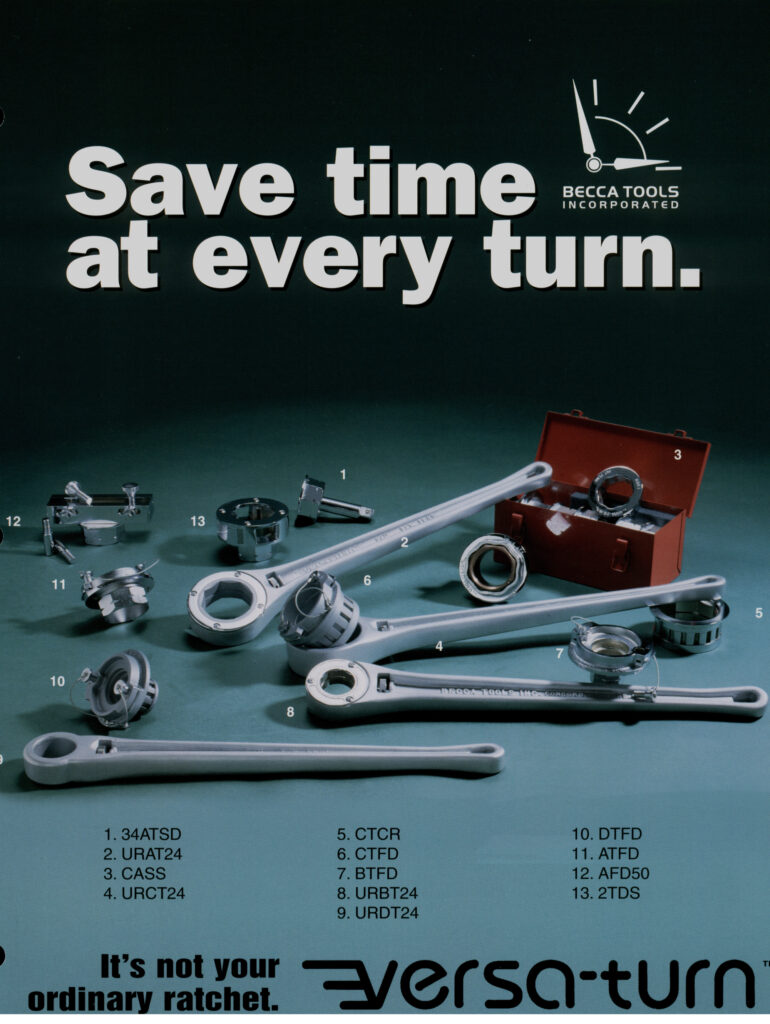
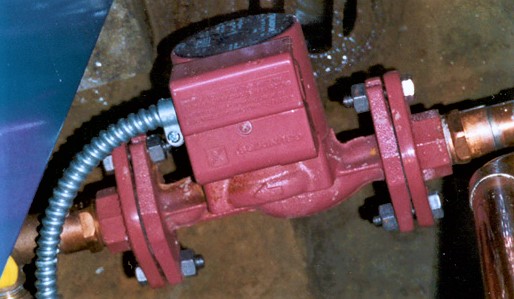
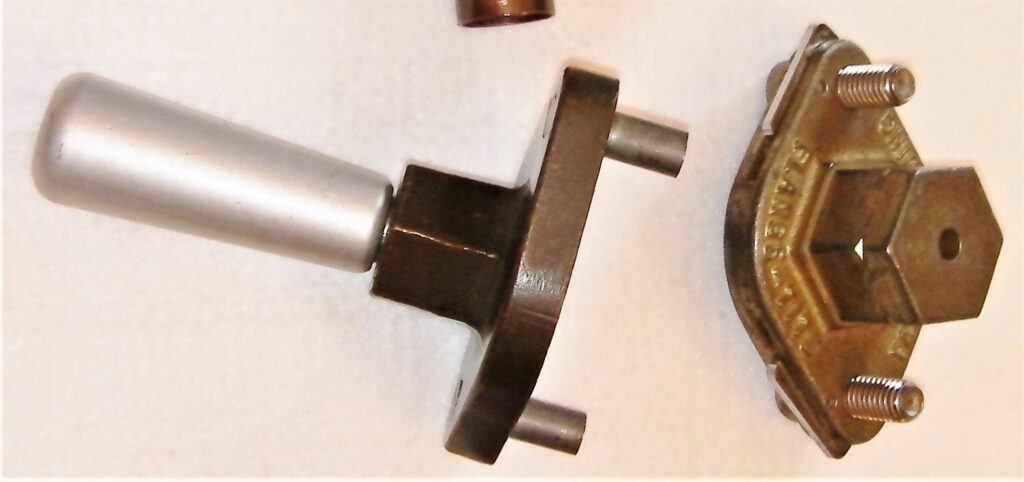
My first and last hand-tools (left) – solutions for troublesome circulator flanges (right):

Then, within a year and a half, I developed other tools:

At a trade show, a plumber asked me,

“Yeah, why do they make the flange like that?”

That’s all I needed to hear to get back on track to creating the optimum solutions that the plumbing & heating trade would accept!

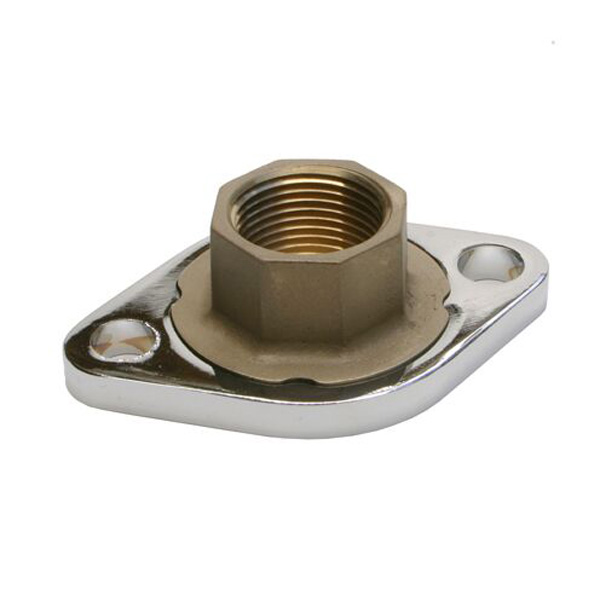
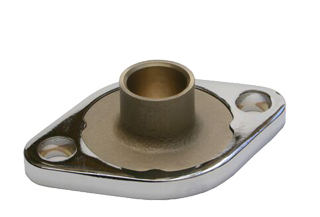
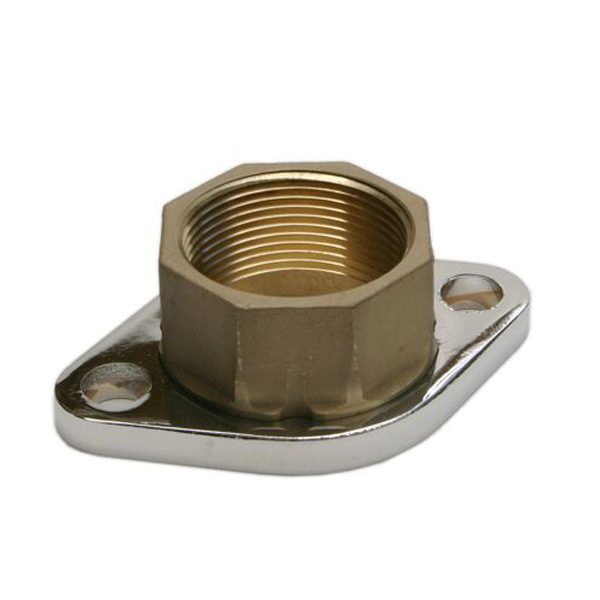
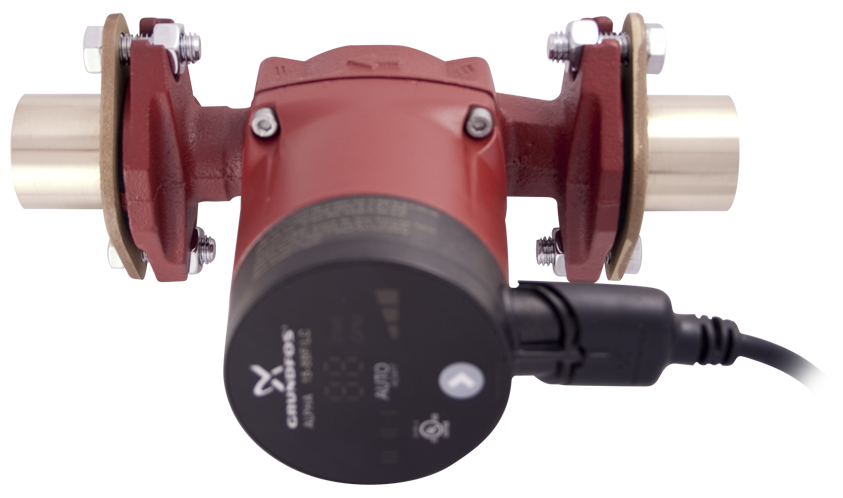
My new threaded and solder-connection flange designs for forced hot water heating circulators. Circa 1997.

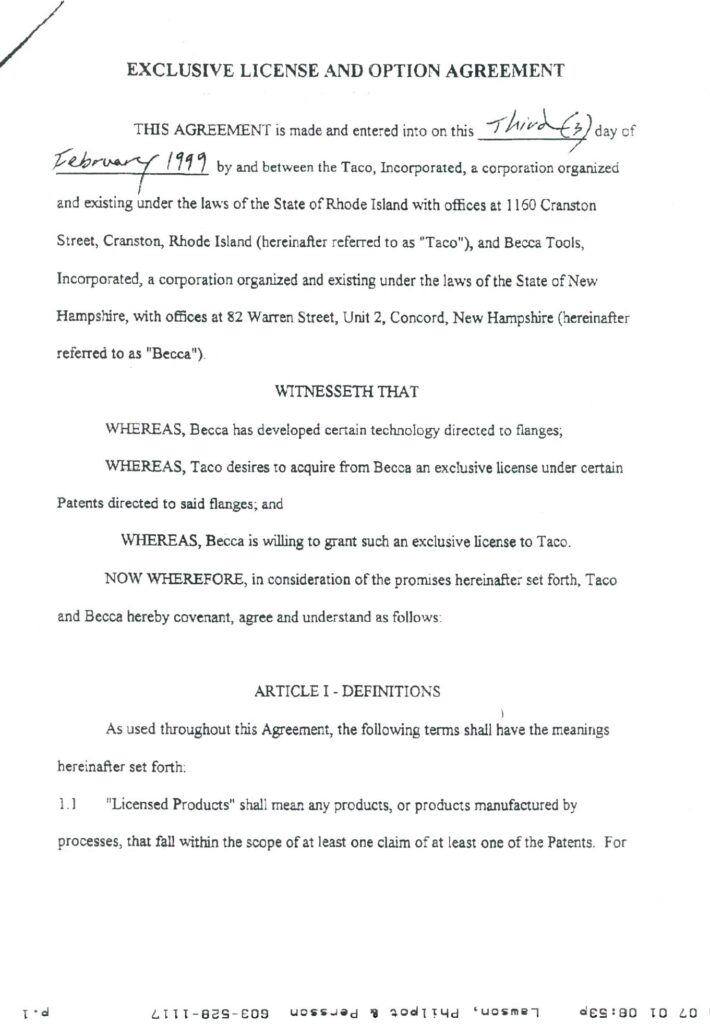
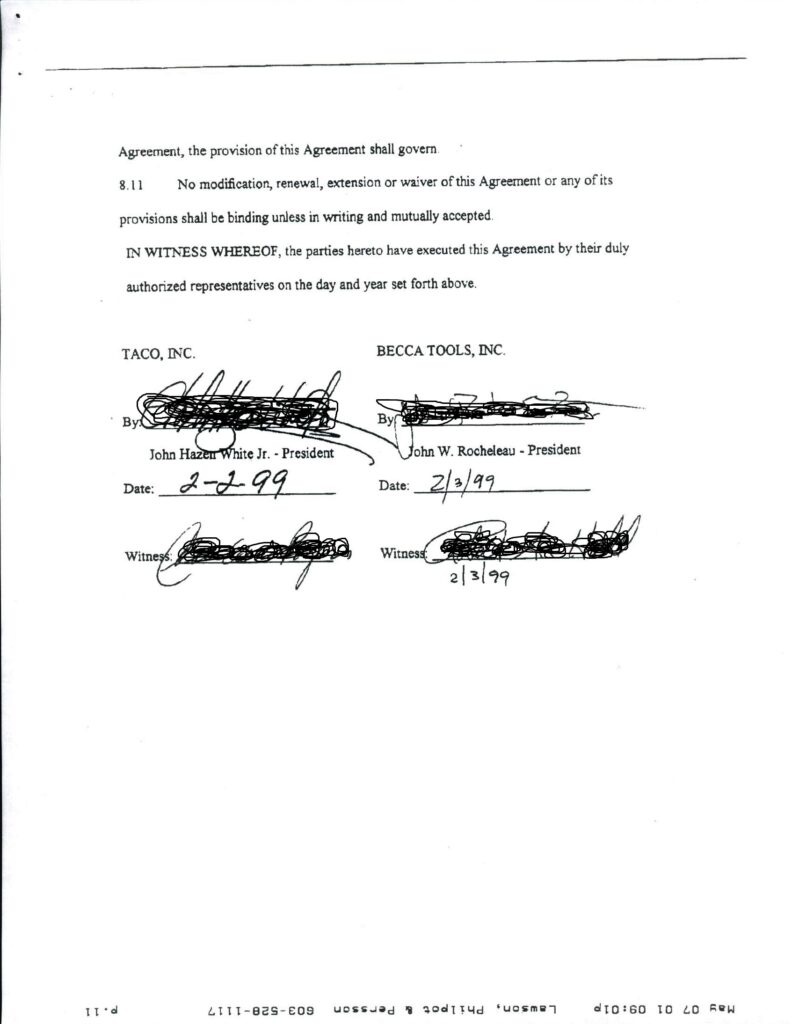
My first License Agreement with Taco, Inc., Cranston, RI, on February 3, 1999.


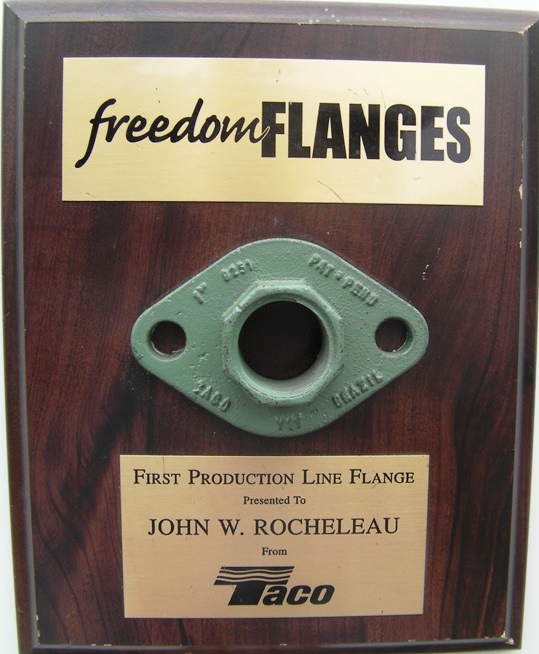
I received nearly $400,000 in royalties and other payments for this simple cast iron part that became the industry-standard in North America.

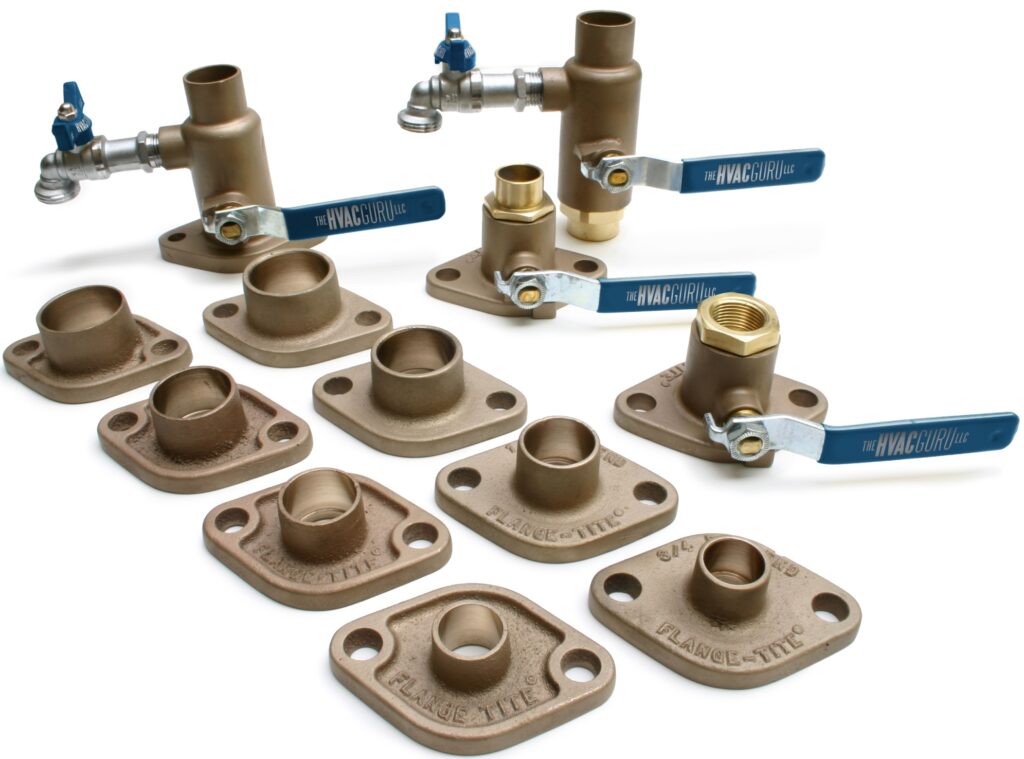
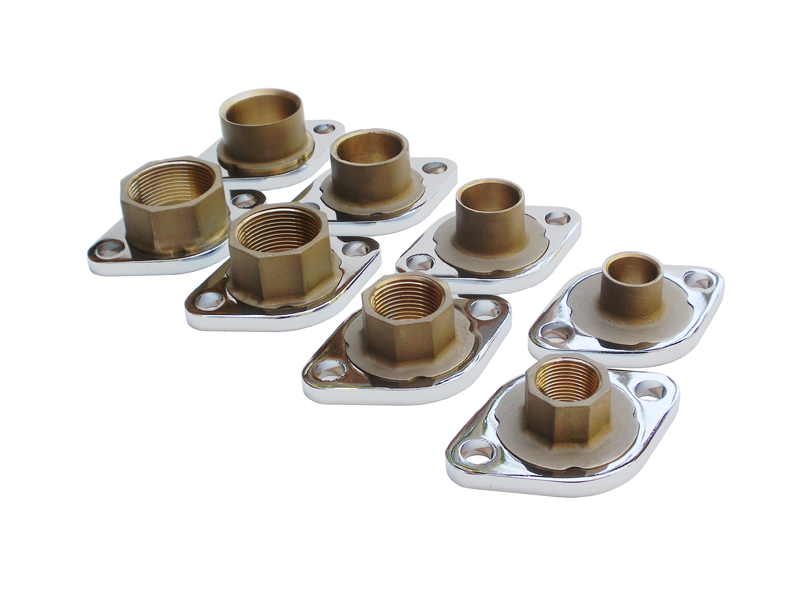
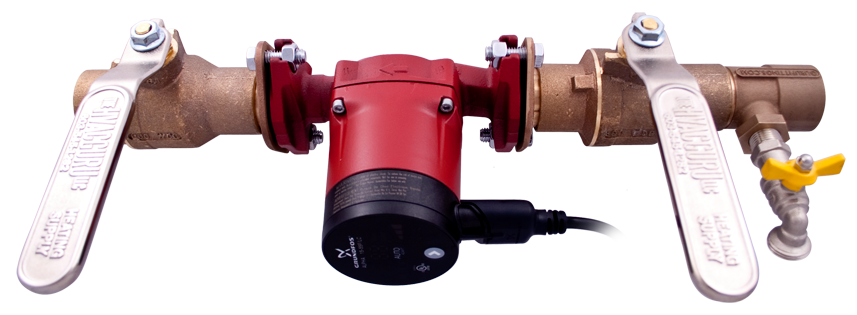
With new inspiration, I created an even better set of new standards – valves with and without flanges and purge and drain ports.

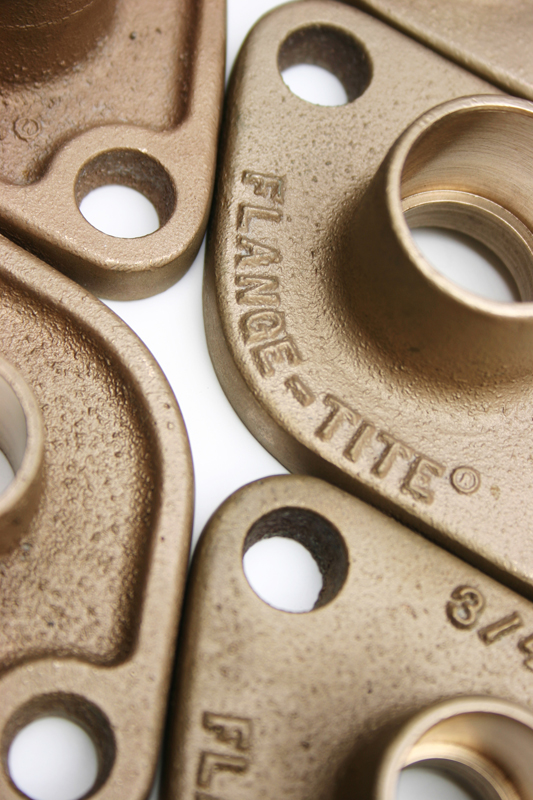
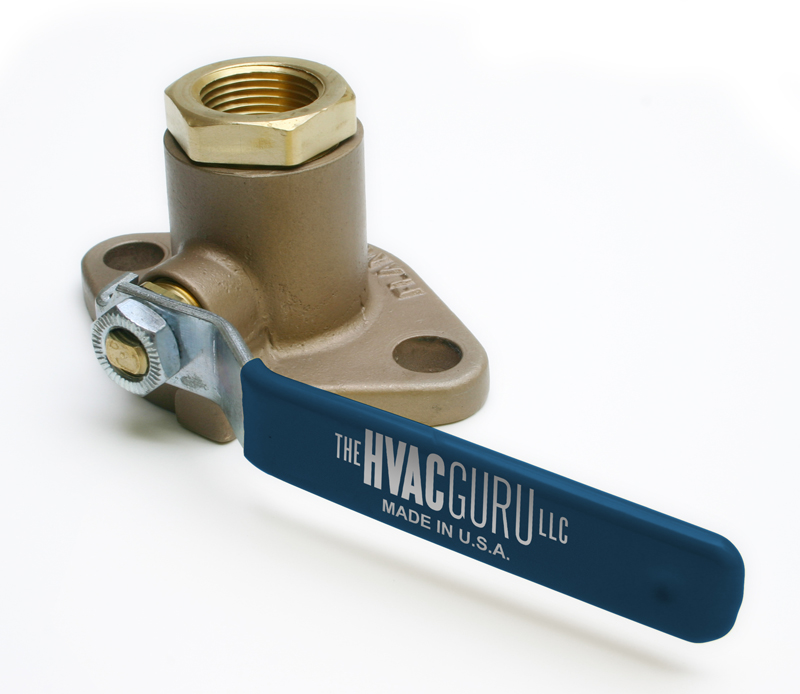
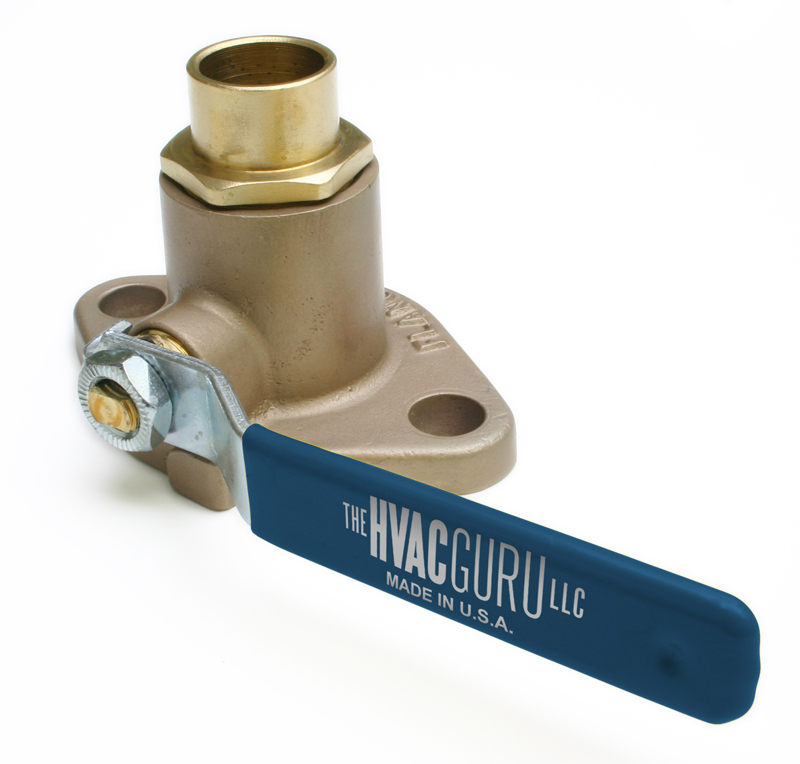
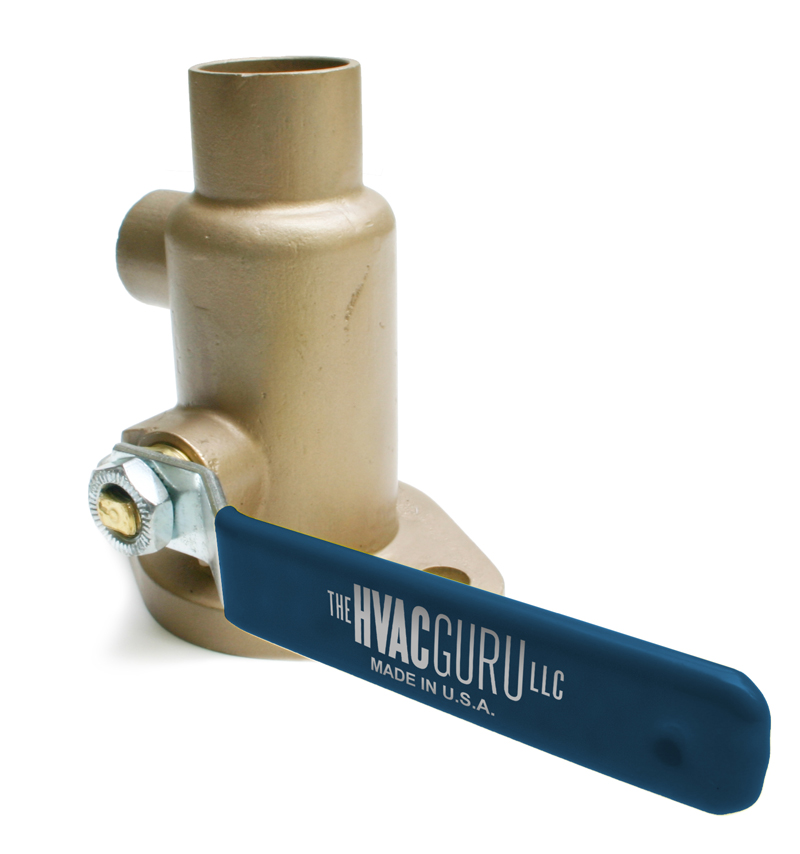
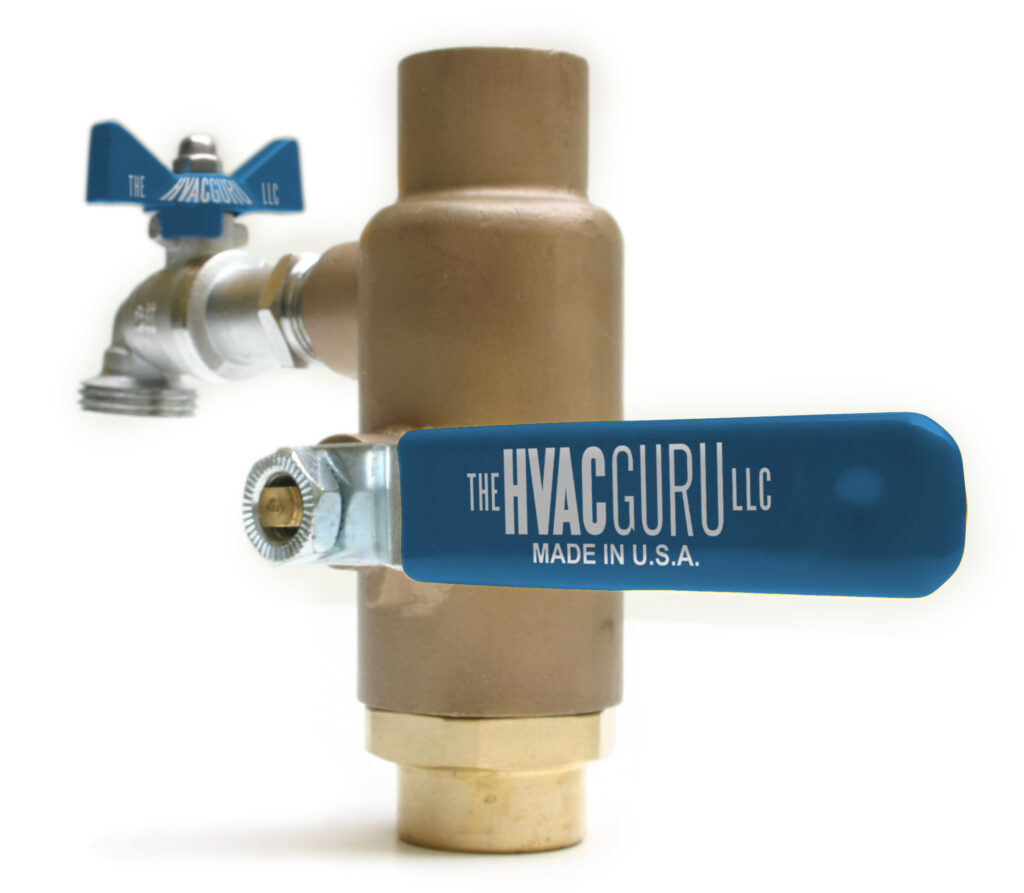
My cast bronze flanges and valves ‘family portrait’:


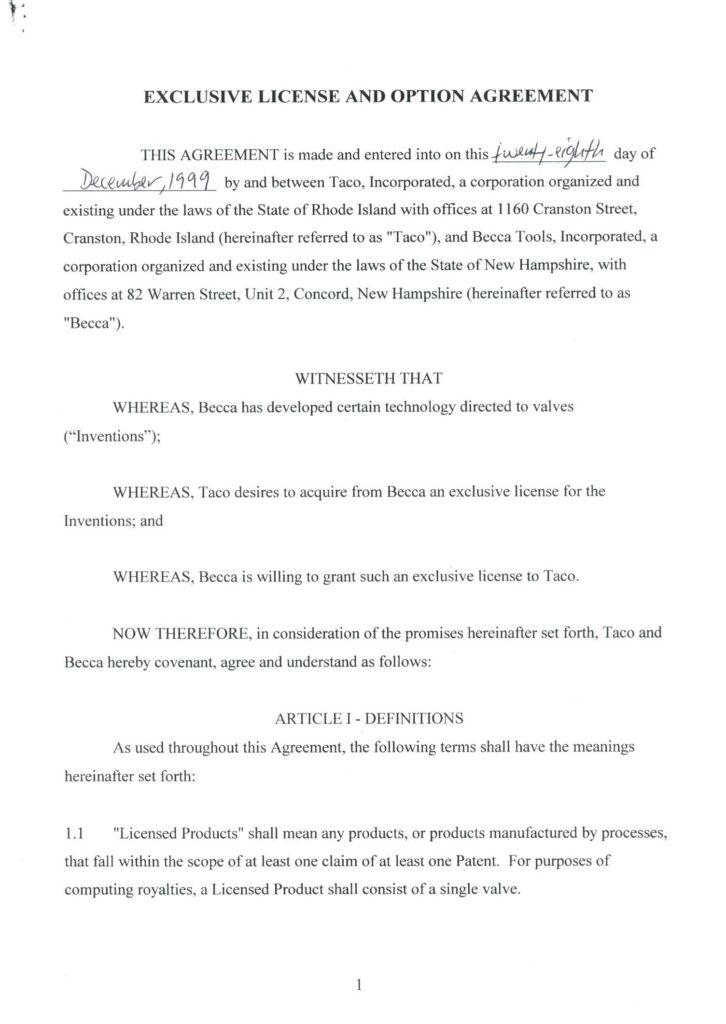
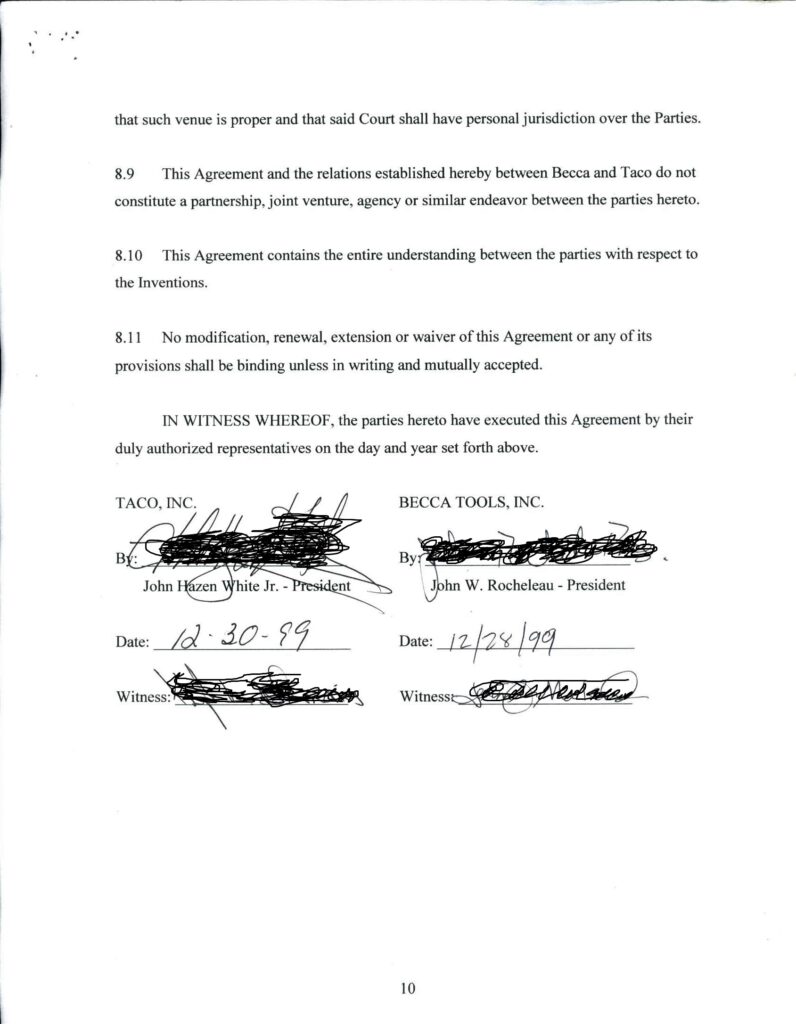
My second License Agreement with Taco, Inc., on December 28, 1999.

At the time, I lived three blocks from the New Hampshire Inventors’ Association (NHIA), but never sought help from them. I succeeded by hiring 42 individuals and companies to help me create the hundreds of prototypes that would be my product development experience that was essential to receiving royalty checks in my mailbox each quarter for the next three years.

Then, in 2000, the NHIA president heard of my success on New Hampshire Public Radio (89.1 FM) with Laura Knoy, on her show The Exchange. He invited me to speak to the NHIA members. I accepted, then was asked to be the Secretary of this 501 C3 non-profit organization. I volunteered. Then, the President stepped down, but not before convincing me to run for his soon-to-be-vacated position. I won in a land-slide vote in my favor. I built the organization for a year, then, with unanimous vote of its members, I merged our group of inventors with the New Hampshire High Technology Council.
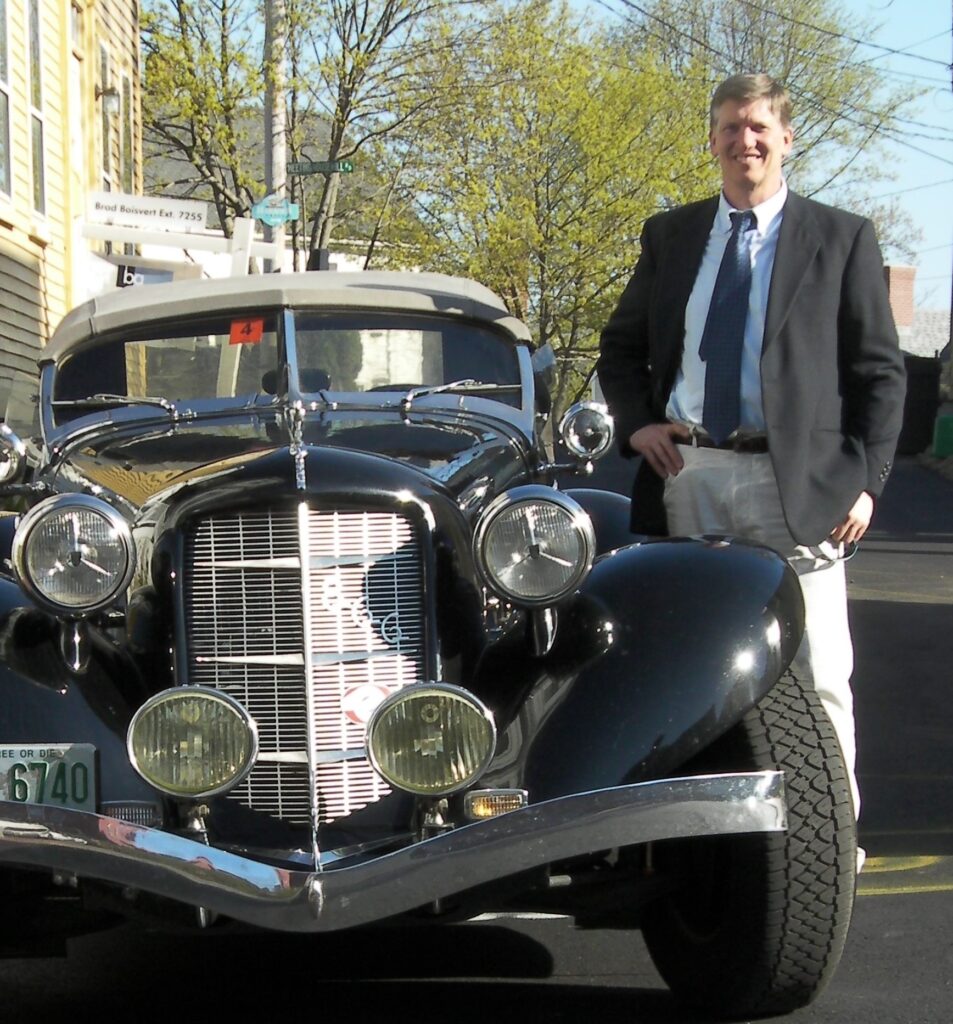


In 2001, I graduated from New Hampshire Technical Institute. Royalties helped me pay for my Business/Mechanical degree. Then, I took a sales engineer position at an HVACR company and continued to invent on the side, receiving numerous patents for heating system inventions.

Not satisfied with my prior inventions, I created my own HVAC product line: Valve handles, document holders, fittings designs, and in 2020, I made my first Omni-Flange production run of the best flange designs in the industry.

Today, I have the second-greatest number of product units by brand on my forced hot water heating systems, more than any other manufacturer!

(Only the makers of pipe and fittings have more products by brand on my hot water heating systems installations.)

On a $200,000 HVAC job, 52 of my own products were installed.

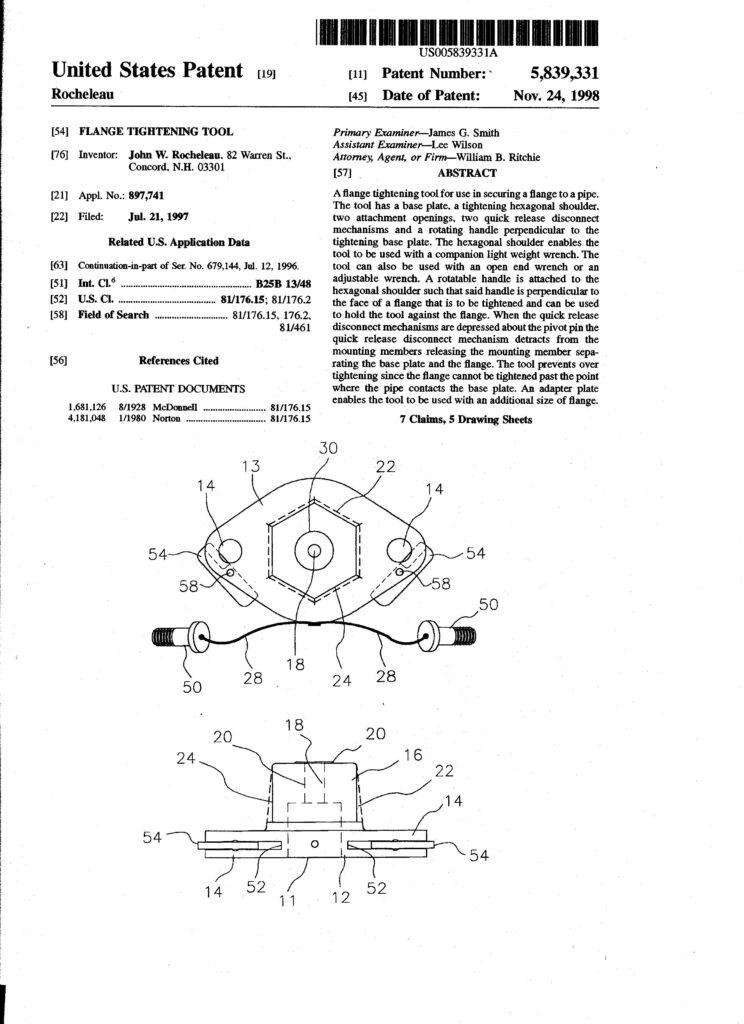
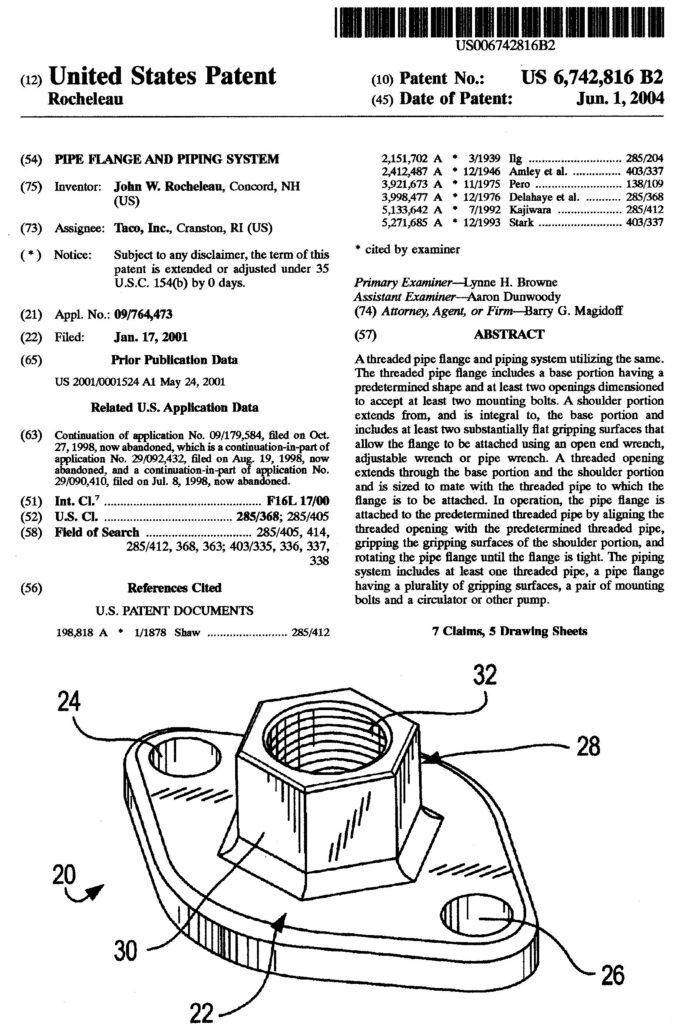
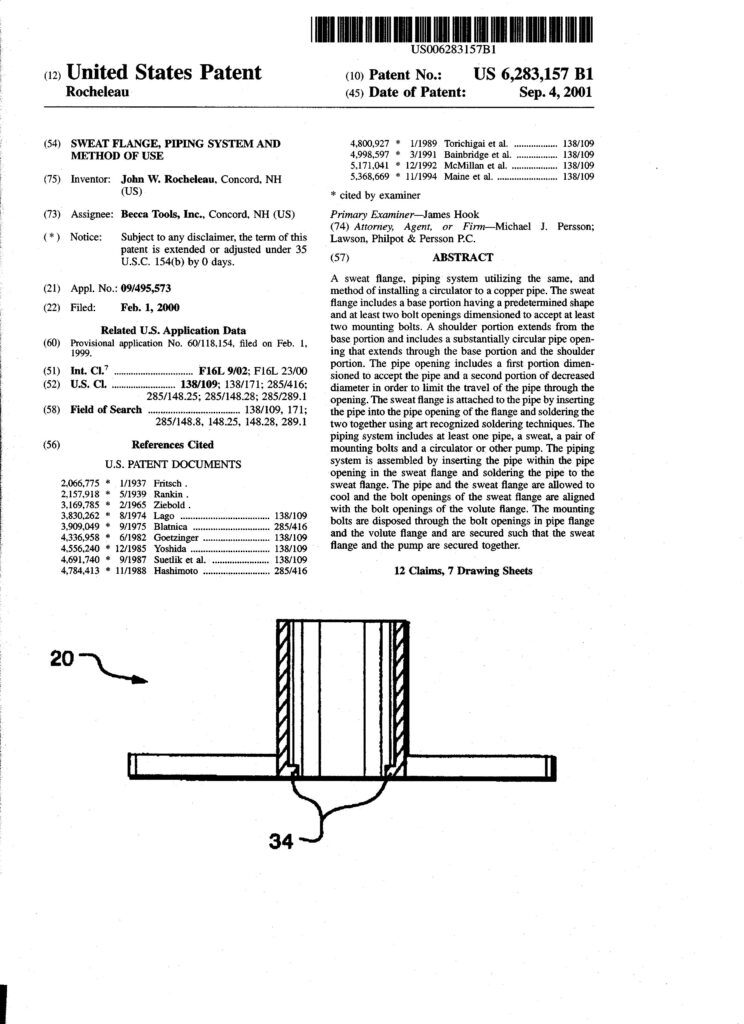
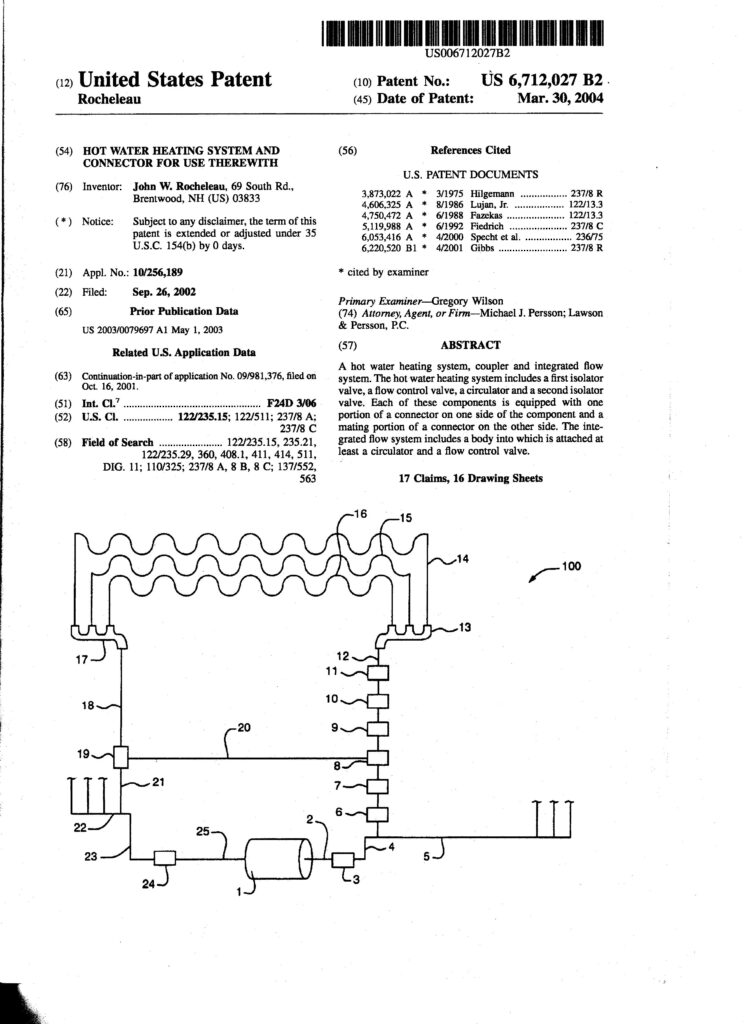
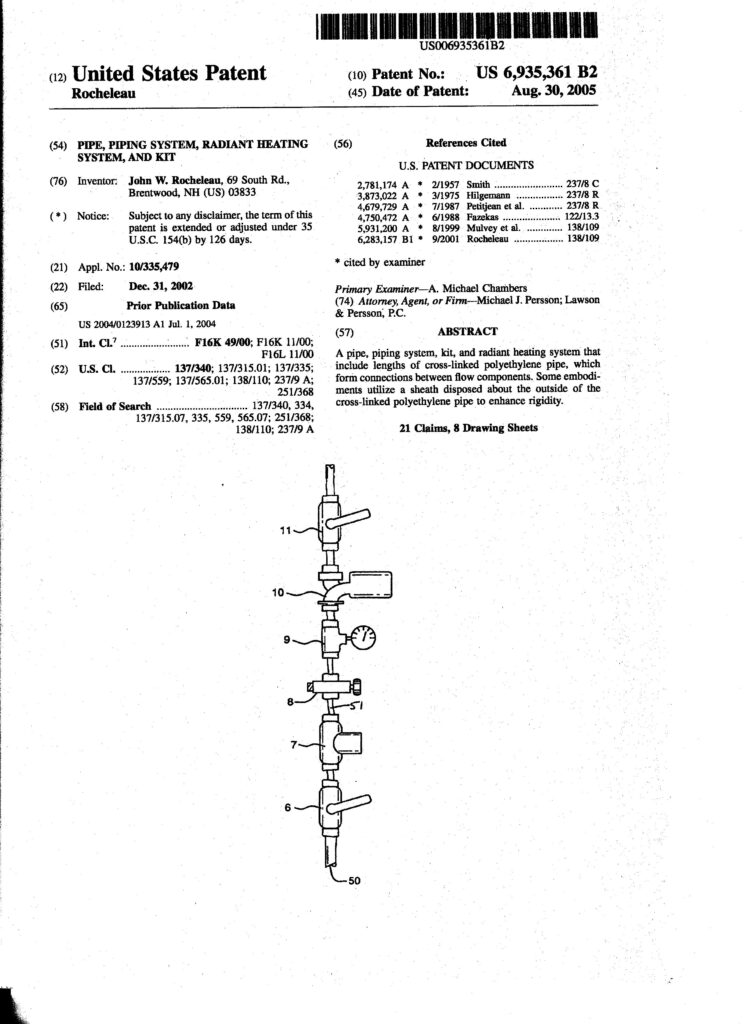
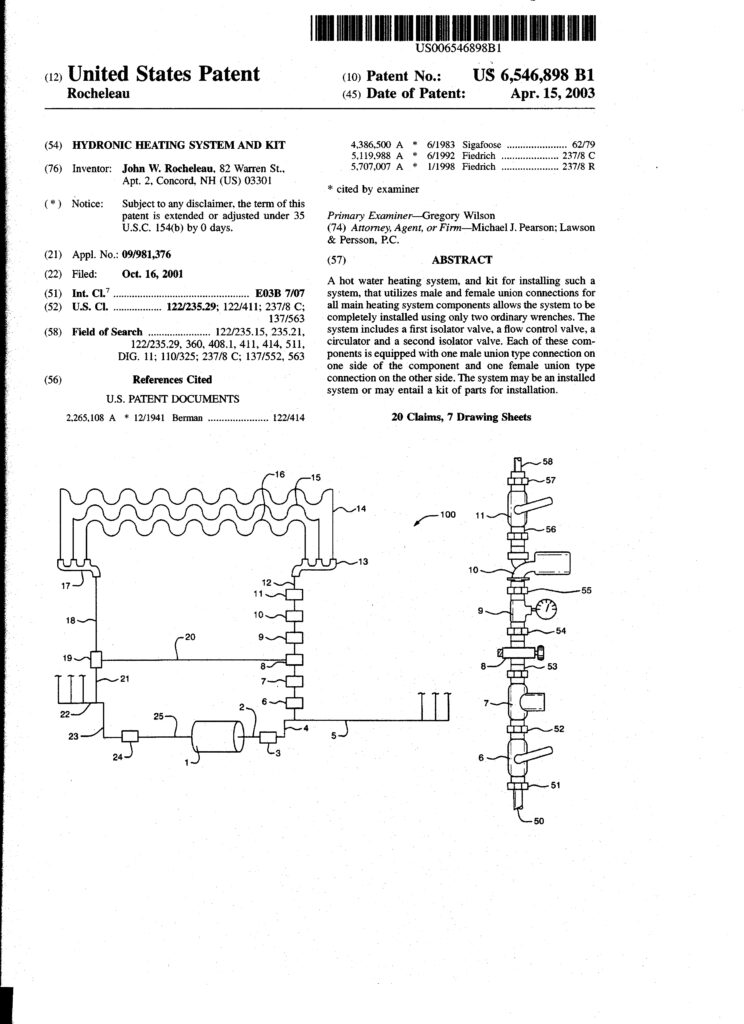
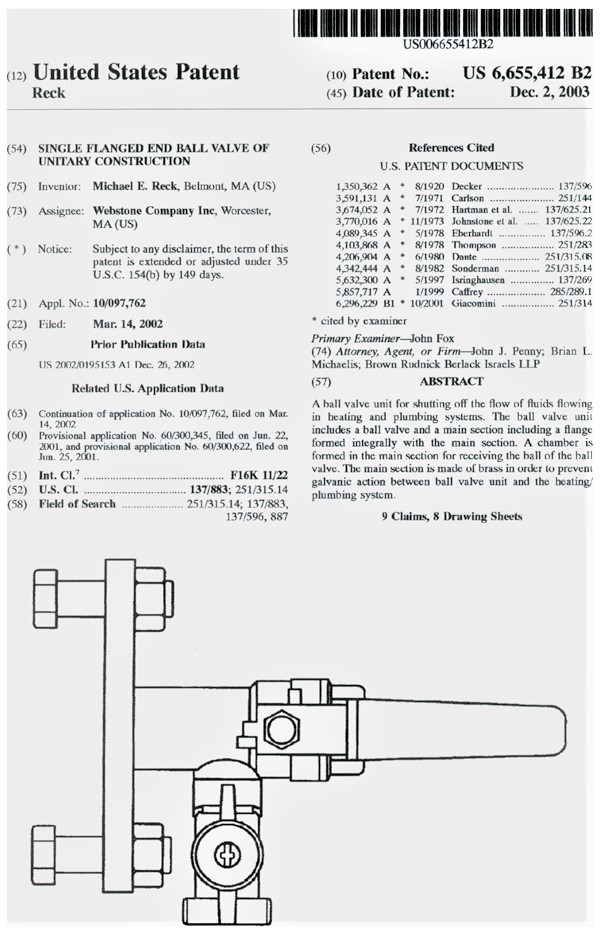
Some of my patents…

What’s Your Story?

Will You be Among the Majority of Independent Inventors Who Fail?

Or Among the Few Who Succeed?

Will you quit before your invention financially ruins you?

Or Will You Know for Sure When You Think You Have a Winning Invention?

Here are Some Things You Should Know About Being an Inventor…

Fraudulent Invention Promotion Firms prey on the naiivete of new inventors and are the biggest parasites that suck the cash out of an inventor's wallet.

Slick ads for so-called Invention Promotion firms are everywhere Online! Too many inventors fall for their tactics that trick you into parting with your money, and you get nothing in return.

Don’t believe me?

Take it from the Federal Trade Commission:

Think you have a great idea for a new product or service? You’re not alone. Every year, tens of thousands of people try to develop their ideas and commercially market them.

Some people try to sell their idea or invention to a manufacturer that would market it and pay royalties. But finding a company to do that can be difficult. As an alternative, others use the services of an invention promotion firm. Indeed, some inventors pay thousands of dollars to firms that promise to evaluate, develop, patent, and market inventions… and then do little or nothing for their fees.

Unscrupulous promoters take advantage of an inventor’s enthusiasm for a new product or service. They not only urge inventors to patent their ideas or invention, but they also make false and exaggerated claims about the market potential of the invention. The facts are:

  • few inventions ever make it to the marketplace; and
  • although a patent can provide valuable protection for a successful invention, getting a patent doesn’t necessarily increase the chances of commercial success.

There’s great satisfaction in developing a new product or service and in getting a patent. But when it comes to determining market potential, inventors should proceed with caution as they try to avoid falling for the sweet-sounding promises of a fraudulent promotion firm.”

Source

I am Not an Invention Promotion Company. I am an Experienced Independent Inventor and I wish to Consult to Inventors Who are New to the Art. I Will Help You to Make the Smartest Decision to Quit, or Move Ahead with your invention.

I can help you make the right decisions, and avoid the wrong ones that can leave you broke and the ridicule of your family and friends. 

My mission is to help you quickly determine if you have an invention that is destined for “1%” greatness, or one that you should abandon before it bankrupts you, or worse.

I’ll provide you with information that you need to know so you can succeed, that is, if you and your invention have what it takes to succeed:

  1. A Great Idea

  2. Passion For Success

  3. Motivation to Succeed

  4. Money to Pay Your Way Into The Club

  5. Patience

  6. Determination

I'll bring insights to you that are based on 25 years of successes and failures (so you don't fail) as an inventor. I’m confident that I can help you realize if your invention is what the market demands, or if you should not waste yours and your investors’ money, but go back to the drawing board and create something better. I will help you optimize your chance of success, and minimize your chance of failure with an hour-long conversation over the phone, so that you have the right information to make the right decisions about your invention.

  1. Admit there is a problem.
  2. Admit there is a solution.
  3. Commit to finding the optimum solution.
  4. Commit to implementing the solution.

While four steps may seem like an oversimplification of the process necessary to bring an invention to the marketplace, there are no shorter cuts to success than this basic formula, and I will show you how to bring your invention (the optimum solution) through this process, so you maximize your chance of success.
Your invention must be the optimum solution to whatever problem it intends to solve.  My hand tools were not the optimum solution; just practice at product development.

There is something else that you need to know….

We’re all vulnerable to flattery, and independent inventors hang onto every word when others compliment their achievement.

While we are distracted by positive feedback, others are scheming to steal our inventions. 

Fraudulent agents and licensees know how to manipulate emotions by lavishing inventiveness with praise, assuring that they have the inventor’s best interests at heart. Nobody knows better than these scammers that most inventors are overly trusting and too naive to realize what is about to happen to them.

Whether it’s an Invention Promotion firm, a V.P. of Marketing or Engineering, or a business crony, snakes in the grass come in all sizes and colors and degrees of poisonous. But, once bitten, an inventor may be out of luck, and money, and his or her aspirations will reach the glass ceiling that keeps most inventors from getting to the top in an industry.

I can help you break the glass ceiling!

Like in gambling, you need to know when to quit. What is your bottom-line? What is your financial and emotional limit? Are you cut out for being an inventor, or do you just want to create things that seem to fulfill a need within only you? Setting limits is essential. Or else, you'll be broke and, possibly, broken!

You need an honest assessment of your invention, so you can make the most informed decision whether to proceed with its development, or abandon it and the financial hemorrhaging that can be the consequence of hopeful and wishful thinking.

I’ll honestly evaluate your idea and its market potential and provide you with my opinions of the market value of your invention, before you bet the farm.

While learning the truth about your invention can be a sobering and even a heart-breaking experience, ultimately, it can save you extraordinary amounts of money, time, grief and regret.

If I believe you have a unique invention with market potential, I’ll advise you to move forward and how to do it, each step of the way, or on an as-needed basis.As an inventor, you need to know why this is. 

I offer options so you can choose from different levels of personal consultation that fit your budget for how much you are willing to invest in your product development experience. I’ll provide you with a step-by-step action plan that leads to the best path to your potential commercial and financial success.  You’ll be expertly guided along the way with everything you’ll need, including legal strategy (I am not a lawyer and don’t give legal advice), intellectual property formalities, a cost estimate to bring your invention to market, possible risks involved, and much more.

If I believe you have a unique invention with market potential, I’ll Tell You and advise you How to move forward. 

In a one-hour phone call, I can give you game-changing advise, based on what you disclose to me (under signed mutual confidentiality). If I think you have what it takes to succeed, I’ll tell you. If I think you do not have what it takes to succeed, I’ll tell you, straight up.

In 1996, when I created my first prototype, I thought I was going to make tons of money from it, and the first thing I did was meet with a patent lawyer.

In hindsight, I could have saved tens of thousands of dollars by not patenting most of my inventions, since only a few ever made me money. Most inventors make the same mistake.

A patent application/patent itself is a liability, that is, until you’ve made one penny more than you’ve spent on the patent process over its lifetime.

I know I can save you tons of money, in just one phone conversation.

Schedule Your 1-Hour Consultation With John!

During your initial phone call with me, we will both have a better feel for what help you need with commercializing your invention, and if that is even possible.

Optimistically, we can work together to help you realize your dream of being successful with your invention. Realistically, I should be able to tell you if  your idea is a strong one that you should move forward with, and how to do it. Otherwise, I’ll be honest with you – for your benefit – and say if I think you should go back to the proverbial drawing board and come up with a better design, or if you should, simply, quit before you waste your time and money.

If you have a good idea, I can tell you how to get started and who to contact, first, to help you realize your dream of becoming a successful inventor.

To get started, click on the button below. Once your payment has been successfully made, you can then fill out a short questionnaire , so I can understand where you are in your inventive process , and when the best time is to call you.

Your $199 payment will, quite possibly, be the most valuable use of your product development money.

I look forward to speaking with you!

To get started, click the schedule button below.

Scroll to Top